What Is a Heat Pump, and How Does It Work?
Heat pumps are becoming a popular choice for heating and cooling homes. But what exactly is a heat pump, and how does it work? Let’s explain it in simple terms so you can understand this useful technology.
What Is a Heat Pump?
A heat pump is a system that can heat and cool your home. Instead of making heat like a furnace or using electricity like a heater, it moves heat from one place to another. This makes it very energy-efficient.
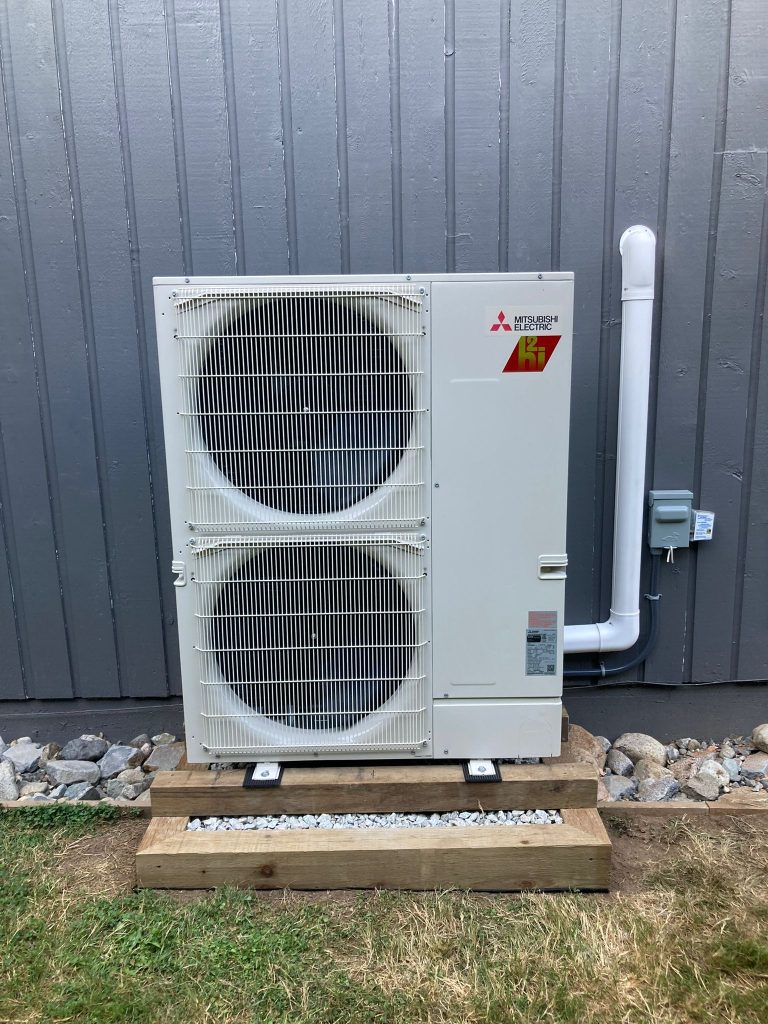
There are different kinds of heat pumps, like air-source, ground-source (geothermal), and water-source types. The most common one is the air-source heat pump. In the winter, it takes heat from the air outside and brings it inside. In the summer, it does the opposite by moving heat from inside your home to the outside.
How Does a Heat Pump Work?
A heat pump uses a special process to move heat. It has four main parts: the evaporator, compressor, condenser, and expansion valve. Here’s how it works:
- Evaporator: The heat pump absorbs heat from the outside air (or ground/water) using a liquid called refrigerant, which turns into gas.
- Compressor: The gas is sent to the compressor, where it gets squeezed, making it hotter.
- Condenser: The hot gas goes to the condenser. Here, it releases the heat into your home, and the refrigerant turns back into a liquid.
- Expansion Valve: The liquid goes through the expansion valve, where it cools down and starts the process over again.
In the summer, the system works in reverse to cool your home.
Benefits of a Heat Pump
Heat pumps have many advantages that make them a great option:
- Energy Efficient: They use less energy compared to traditional systems because they move heat instead of creating it.
- All-in-One Solution: A heat pump can heat and cool your home, so you don’t need separate systems.
- Eco-Friendly: Since they don’t burn fuel, heat pumps are better for the environment.
- Save Money: While they can be expensive to install, they usually save money on energy bills over time.
- Cleaner Air: Many heat pumps have filters that improve air quality by reducing allergens and dust.
Types of Heat Pumps
There are three main types of heat pumps:
- Air-Source Heat Pumps: These are the most common type. They take heat from the air outside and work best in areas with mild climates.
- Ground-Source (Geothermal) Heat Pumps: These pumps get heat from the ground. They are very efficient but cost more to install.
- Water-Source Heat Pumps: These use heat from a nearby water source, like a lake or well. They are less common but very effective in the right location.
Things to Consider When Choosing a Heat Pump
If you’re thinking about getting a heat pump, here are some things to think about:
- Your Climate: Heat pumps work well in most areas, but in very cold places, you might need extra heating.
- Size: It’s important to get the right size for your home. A professional can help you figure this out.
- Efficiency Ratings: Look for heat pumps with high ratings to save more energy.
- Cost: While they can save money in the long run, heat pumps can be pricey to install. Get quotes from a few companies.
- Maintenance: Like any system, heat pumps need regular care to work well. Check how much maintenance is needed.
Common Myths About Heat Pumps
Some people believe things about heat pumps that aren’t true. Let’s clear up some myths:
- Myth 1: Heat Pumps Don’t Work in Cold Weather: Today’s heat pumps are made to work even in freezing temperatures.
- Myth 2: Heat Pumps Are Loud: Modern heat pumps are very quiet, so you won’t even notice them running.
- Myth 3: Heat Pumps Cost Too Much to Run: While the installation cost is higher, they save money on energy bills over time because they are so efficient.